On March 25, 2021, Greece celebrated 200 years since the start of its struggle for independence from the Ottoman Empire with a ceremony to mark a new beginning after years of financial crisis.
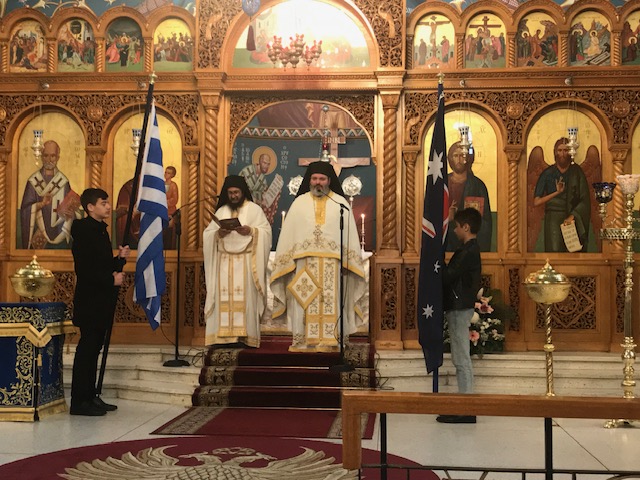
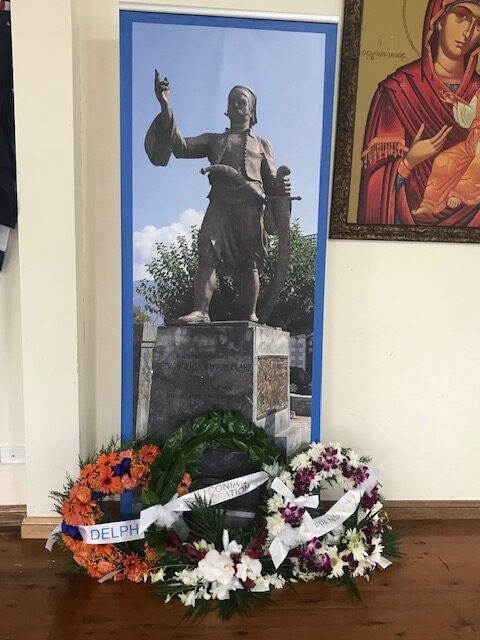
After nearly 400 years under Ottoman Turkish rule, Greek revolutionaries launched an uprising in 1821. With help from foreign sympathisers including Britain, France, and Russia, Greece gained its independence in 1832. The Laconian Federation of NSW held an intimate 1821 celebration on 14th March 2021.
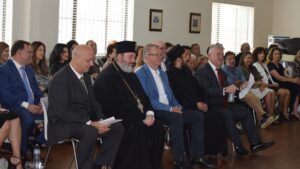
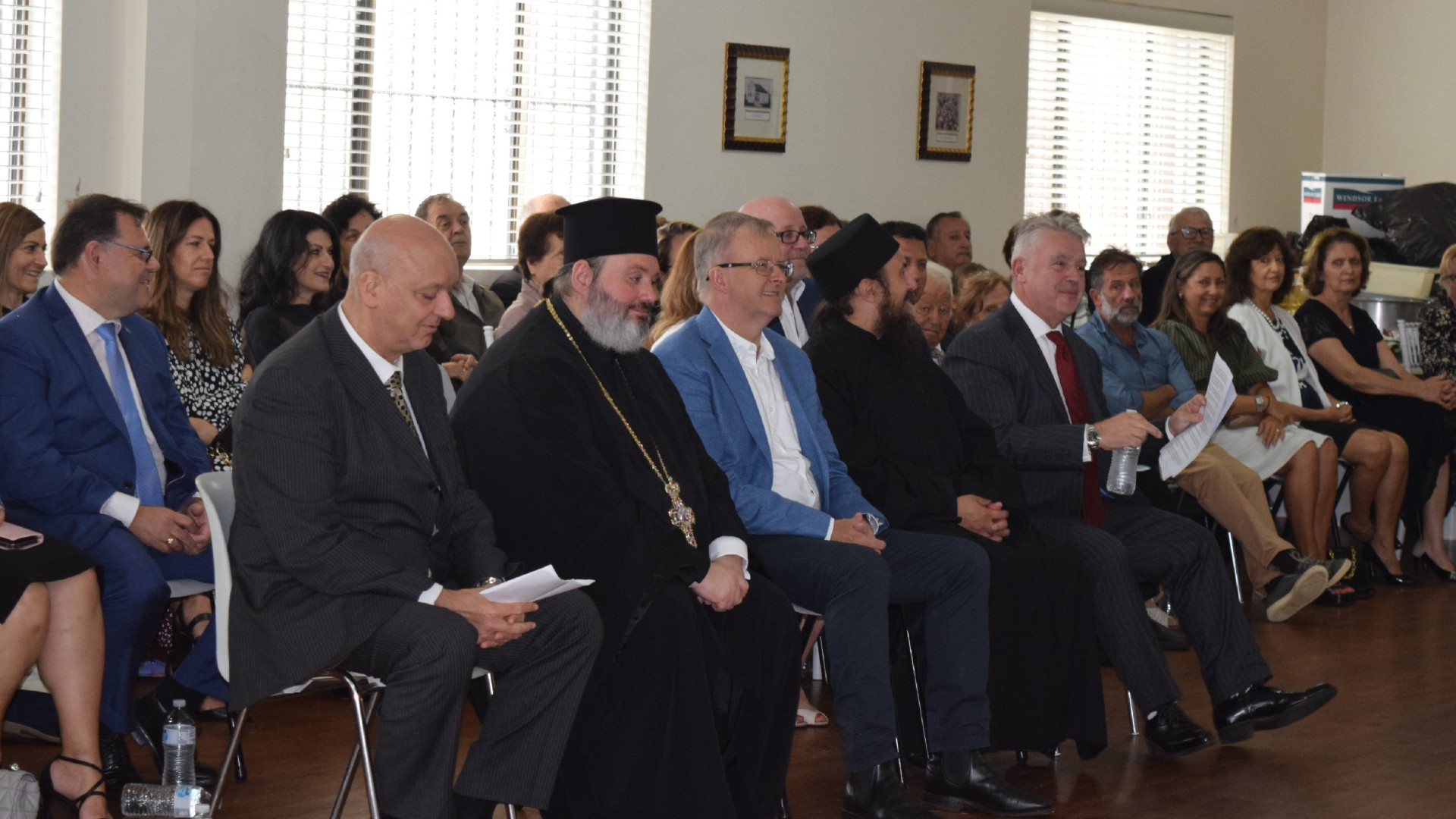
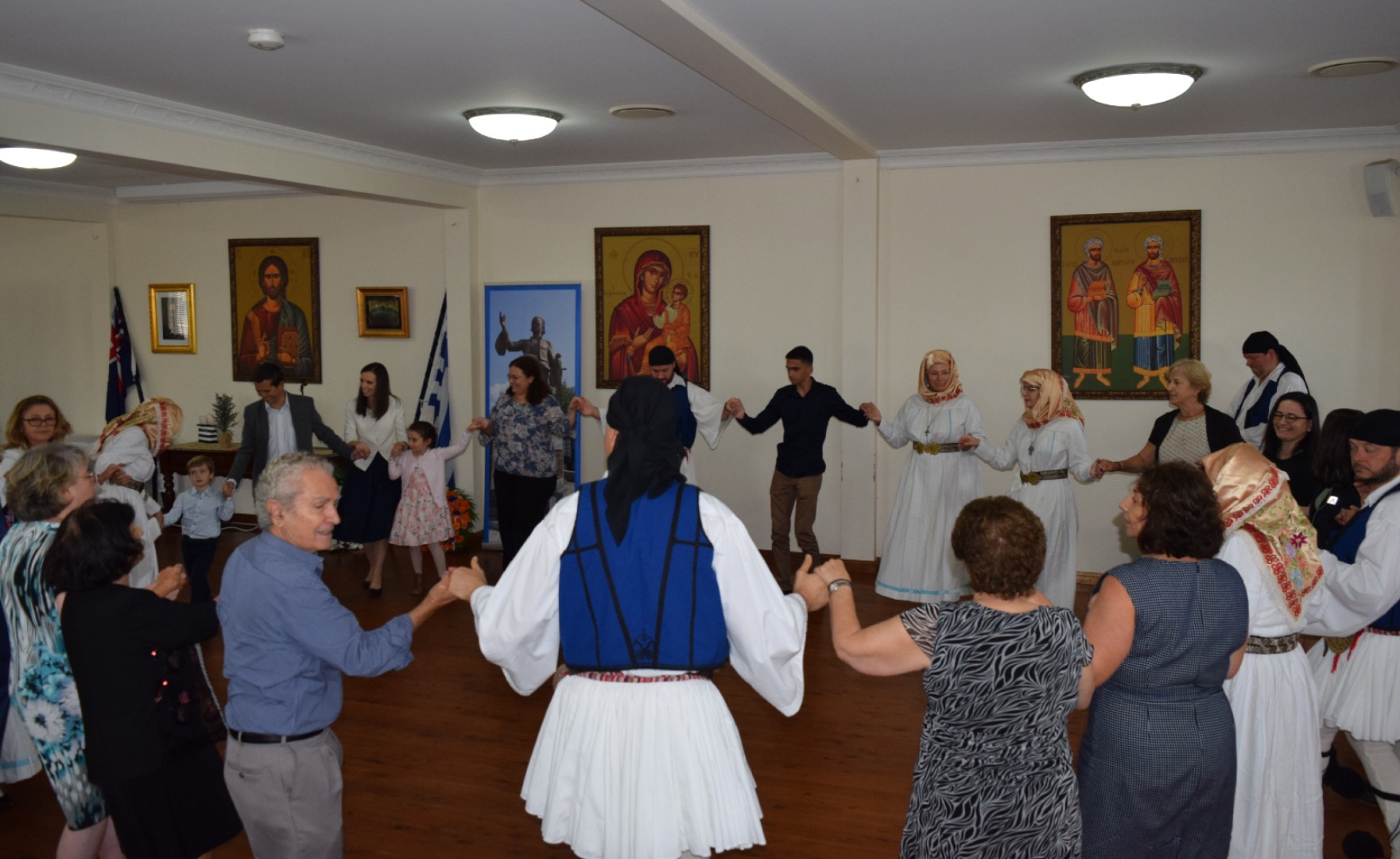
Originally planned to be held in the courtyard of Marrickville’s St. Nicholas Church, rainy weather forced the celebrations into the neighbouring hall. MC and Laconian Federation Committee member Chris Apostolakos welcomed guests and honourable dignitaries to the celebration. Present at the event was Konstantinos Giannakodimos, representing the Consul General of Greece in Sydney, the Hon Anthony Albanese, leader of the Labor Party and federal opposition, Hon Courtney Houssos, Member of the New South Wales Legislative Council and President of AHEPA NSW Bill Skandalakis.
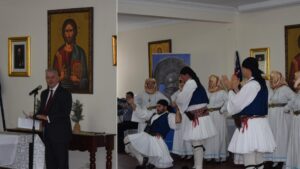
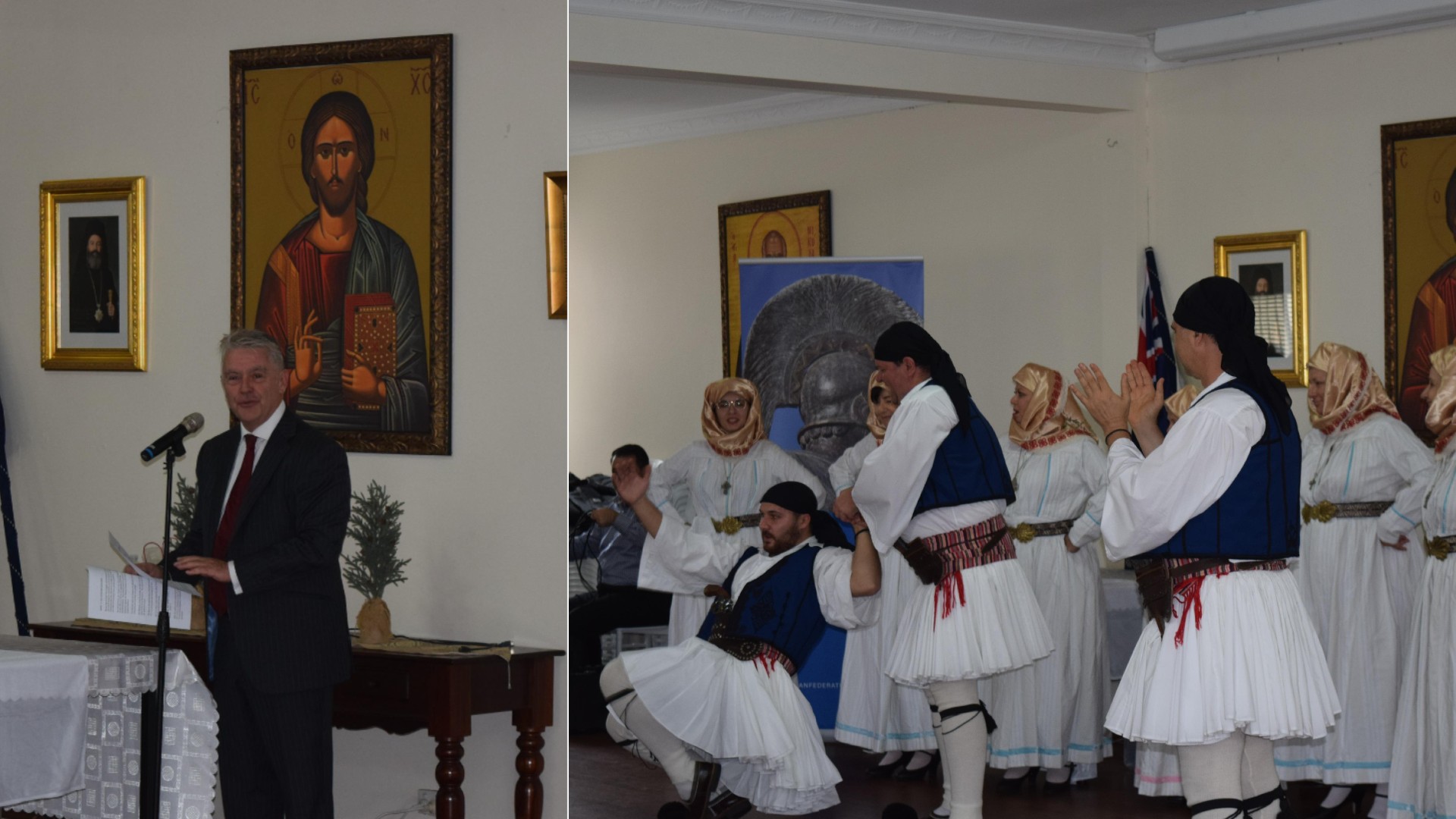
“Although we are at the other side of the world, we remember and we respect out proud heritage and the events of the 17th of March, 1821. Which, perhaps with the exception of the Battle of Thermpoloyae, is the most significant contribution of Laconians to the tapestry that is Greek history,” Chris Apostolakos said. “We are here to honour the struggles and sacrifices of our ancestors. Not only the sacrifices of the Laconians but of all heroes from all over Greece,” said the president Mr Kokkinakos.
On 17 March 1821, war was declared on the Turks by the Maniates, who were a Greek group native to the Mani Peninsula, located in Western Laconia. It was on this same day where 2,000 Maniates, under the command of Petros Mavromichalis, advanced on the Messenian town of Kalamata. There, they united with troops under Theodoros Kolokotronis, Nikitaras and Papaflessas. Six days later, Kalamata was claimed by the Greeks.
“If we in the modern era cannot imitate them, let us at least remember them. Let us admire them and above all, be grateful for them,” Kokkinakos added. “Let us acknowledge the fighters who gave us our freedom, let us acknowledge and honour the Greeks in the diaspora who showed a great national contribution to the struggle of 1821 and support of our homeland.”
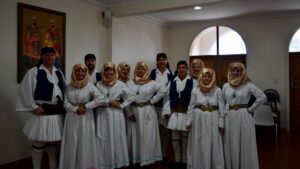
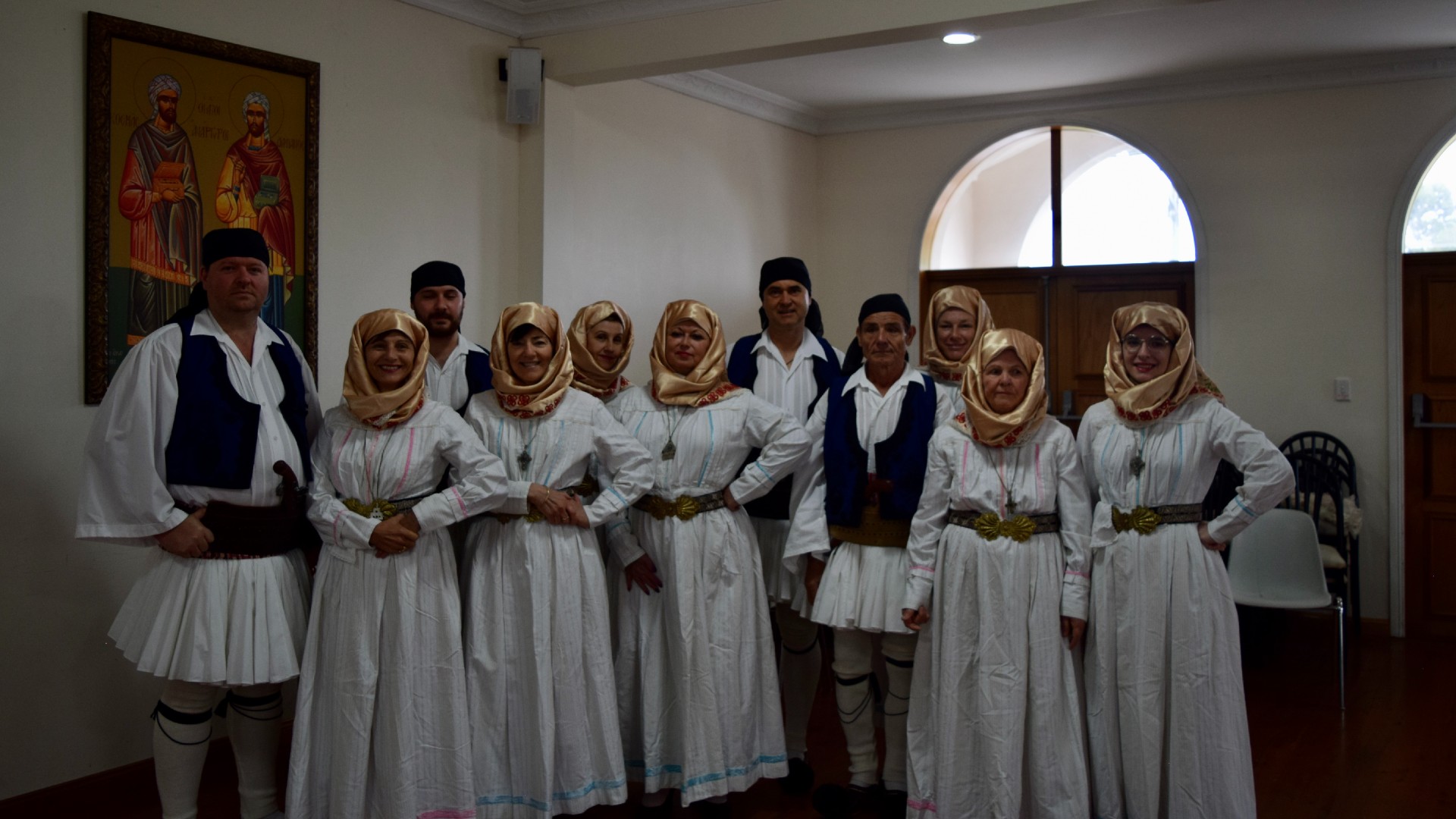
Following the speeches was a powerful re-enactment of the oath taken by the Maniates in commitment to the freedom of Greece. The re-enactment was carried out by Vasilis and his group of dancers. To remember the historical events of the revolution of 1821, Anastasia Diasakou Anastasiadis, the Federation's cultural adviser, spoke about the brave efforts of some of Greece’s most well known, and unsung, heroes.
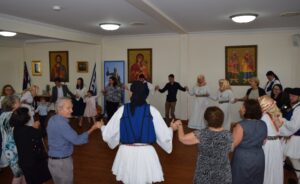
The ensuing speech was by a well-recognised member of the Greek community, Fanis Nikolareas, who wrote a poem to commemorate the events of 1821. From there, guests enjoyed a musical performance by Cretan performers, who sung the ‘Hymn of Mani’ and a series of dances by Vasilis and his group.
Background
Greek Independence Day, national holiday celebrated annually in Greece on March 25, commemorating the start of the War of Greek Independence in 1821. It coincides with the Greek Orthodox Church’s celebration of the Annunciation to the Theotokos, when the Archangel Gabriel appeared to Mary and told her that she would bear the son of God.
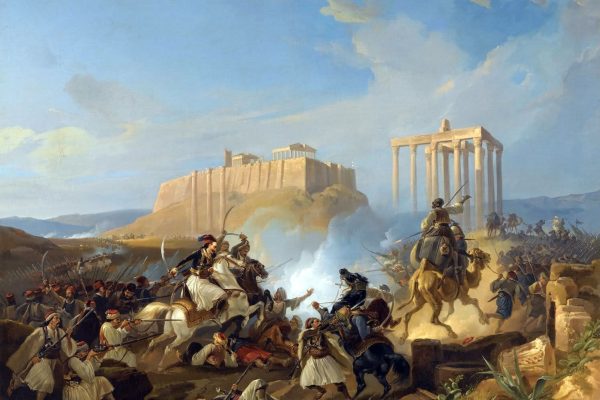
Greece had been part of the Ottoman Empire since 1453. The Greek revolt was precipitated on March 25, 1821, when Bishop Germanos of Patras raised the flag of revolution over the Monastery of Agia Lavra in the Peloponnese. The cry “Freedom or death” became the motto of the revolution. The Greeks experienced early successes on the battlefield, including the capture of Athens in June 1822, but infighting ensued. By 1827 Athens and most of the Greek isles had been recaptured by the Turks.
Just as the revolution appeared to be on the verge of failure, Great Britain, France, and Russia intervened in the conflict. The Greek struggle had elicited strong sympathy in Europe, and many leading intellectuals had promoted the Greek cause, including the English poet Lord Byron. At the naval Battle of Navarino, the combined British, French, and Russian forces destroyed an Ottoman-Egyptian fleet. The revolution ended in 1829 when the Treaty of Edirne established an independent Greek state. In celebration of Greek Independence Day, towns and villages throughout Greece hold a school flag parade, during which schoolchildren march in traditional Greek costume and carry Greek flags. There is also an armed forces parade in Athens with formal presentations

 English (Australia)
  Ελληνικά